Heating, ventilation and air conditioning systems play an essential role in maintaining comfortable indoor environments across commercial buildings, residential developments, industrial facilities and hospitality properties. In Abu Dhabi, where cooling systems operate under demanding climatic conditions, maintaining reliable HVAC infrastructure is particularly important.
Over time, HVAC equipment can experience reduced efficiency, mechanical wear, control failures and performance issues. Older systems may also struggle to meet the cooling requirements of buildings that have undergone renovations, expansions or changes in occupancy. In such situations, replacing individual components or upgrading existing installations can be more practical than installing an entirely new system.
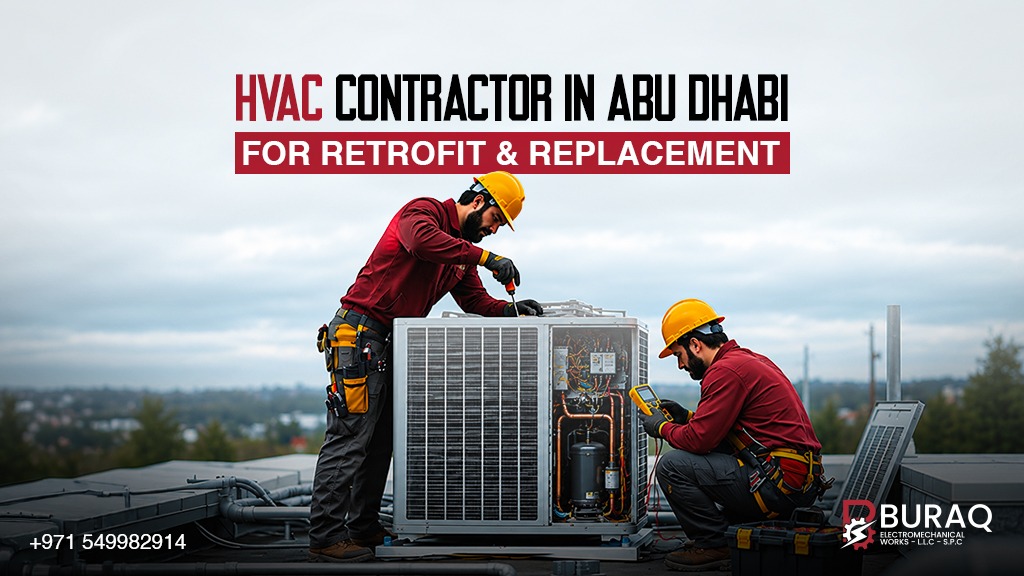
Working with an experienced HVAC Contractor in Abu Dhabi helps building owners and facility management teams identify suitable retrofit and replacement solutions. From air conditioning upgrades to pump replacement, valve works and control panel modifications, professional HVAC services help improve equipment reliability and maintain operational efficiency.
Why HVAC Retrofit and Replacement Are Important
HVAC systems operate through several interconnected components, including chillers, air handling units, fan coil units, pumps, valves, motors, coils and control systems. A problem with one component can affect the performance of the entire installation.
For example, a damaged cooling coil can reduce heat transfer efficiency, while a faulty valve may interrupt water circulation. Similarly, outdated control panels can affect equipment coordination and make it difficult to regulate indoor temperatures accurately.
HVAC retrofit and replacement projects address these issues by upgrading existing equipment, replacing damaged components and improving system functionality.
Some common reasons for undertaking HVAC upgrades include:
- Ageing air conditioning equipment and mechanical components.
- Frequent breakdowns and increasing repair requirements.
- Reduced cooling performance and inconsistent temperatures.
- Higher energy consumption caused by inefficient equipment.
- Outdated electrical and control systems.
- Changes in building layouts or cooling requirements.
- Compatibility issues between existing and replacement components.
A planned retrofit approach allows businesses to address specific equipment problems while making better use of their existing HVAC infrastructure.
Core HVAC Retrofit and Replacement Services in Abu Dhabi
Different buildings require different HVAC solutions depending on their existing installations, operating conditions and cooling requirements. A comprehensive contractor should be able to manage mechanical, electrical and equipment-related replacement works.
1. AC Replacement (Retrofit)
Air conditioning replacement is an important part of maintaining reliable cooling performance. Older AC units may experience frequent breakdowns, reduced cooling capacity and increased electricity consumption.
AC retrofit projects involve replacing outdated or inefficient equipment with suitable alternatives while considering the existing installation.
The work may include removing old units, assessing existing connections, checking electrical requirements, modifying associated pipework and installing replacement equipment.
A properly planned AC replacement project considers the existing cooling load, available space, equipment specifications and compatibility with the building’s infrastructure.
This approach helps minimise unnecessary modifications and supports a smoother transition from existing equipment to upgraded air conditioning systems.
2. Fit-Out Works
HVAC fit-out works are required when commercial spaces are newly developed, renovated or redesigned. Offices, retail outlets, restaurants, hotels and other commercial properties may require modifications to their existing air conditioning and ventilation installations.
These works can involve installing ductwork, connecting air conditioning equipment, modifying chilled water piping, positioning air distribution components and coordinating HVAC installations with electrical and plumbing systems.
Proper coordination during fit-out projects is essential to ensure that HVAC equipment fits the available space and meets the operational requirements of the building.
Professional execution also helps maintain accessibility for future servicing and equipment maintenance.
3. Coil Replacement
Cooling and heating coils are important components of HVAC equipment, including AHUs, FAHUs and FCUs. They facilitate heat transfer between air and the circulating water or refrigerant, depending on the system design.
Over time, coils may develop corrosion, leakage, blockages or reduced heat transfer performance. These issues can affect cooling capacity and increase the workload on connected equipment.
Coil replacement involves inspecting the existing unit, identifying the required coil specifications, removing the damaged component and installing a compatible replacement.
Correct coil selection is important because factors such as dimensions, material, fin configuration, connection arrangements and design capacity influence overall performance.
Professional installation and appropriate testing help ensure that the replacement coil operates effectively within the existing HVAC system.
4. FAHU/FCU/AHU Panel Replacement
Fresh Air Handling Units (FAHUs), Fan Coil Units (FCUs) and Air Handling Units (AHUs) are widely used in commercial and industrial HVAC installations.
Their panels protect internal components and help maintain the structural integrity of the equipment. Damaged, corroded or deteriorated panels can affect insulation, accessibility and equipment protection.
Panel replacement involves assessing the existing unit, identifying damaged sections and installing suitable replacement panels.
Depending on the equipment requirements, the work may involve modifications to access panels, casing sections, insulation arrangements and associated fittings.
Proper panel installation helps maintain equipment integrity while supporting convenient access for inspection and servicing.
5. Freezing and Hot Tapping
Freezing and hot tapping are specialised techniques used during certain HVAC chilled water and piping modification projects.
Pipe freezing involves creating a controlled ice plug inside a suitable pipe section to isolate the flow temporarily. This can allow specific repair or modification activities without draining an entire connected system.
Hot tapping is a technique used to create a new connection to an existing pressurised pipeline under controlled conditions. It can be useful when additional branches or connections are required without taking the entire system out of operation.
Both procedures require detailed planning, suitable equipment, qualified technicians and careful assessment of operating conditions.
Pipe material, diameter, pressure, temperature and fluid characteristics must be evaluated before selecting an appropriate method. Where freezing or hot tapping is not suitable, an alternative isolation and shutdown arrangement should be considered.
6. Valve Replacement
Valves regulate the flow of chilled water and other fluids throughout HVAC installations. They are essential for controlling water distribution, isolating equipment and maintaining proper system operation.
Common issues include leakage, corrosion, damaged actuators, poor flow regulation and mechanical failure.
Valve replacement involves identifying the existing valve type, checking the required connection size and pressure rating, and selecting a compatible replacement.
Depending on the application, replacement works may involve isolation valves, control valves, balancing valves and other specialised valve arrangements.
Correct installation and testing help restore proper flow control and support reliable operation across connected HVAC equipment.
7. Control Panel Works
HVAC control panels manage electrical and operational functions associated with air conditioning and ventilation equipment.
They may include circuit protection, contactors, relays, variable frequency drives (VFDs), controllers and other electrical components.
Faulty or outdated panels can cause equipment interruptions, control failures and difficulties in maintaining consistent operating conditions.
Control panel works may include panel replacement, component upgrades, wiring modifications, troubleshooting and control system improvements.
During these projects, electrical ratings, protection requirements, equipment compatibility and control logic must be carefully evaluated.
Proper testing and commissioning are important to confirm that the upgraded panel communicates correctly with the connected HVAC equipment.
8. Motor Rewinding
Electric motors are used in HVAC applications such as pumps, fans and air handling equipment. Continuous operation, excessive heat, insulation deterioration and electrical faults can eventually damage motor windings.
Motor rewinding involves repairing and replacing damaged winding insulation and conductors to restore the motor’s electrical functionality.
Before undertaking rewinding, technicians should inspect the motor and assess whether repair is technically and economically suitable compared with complete motor replacement.
The process may include dismantling, winding removal, insulation preparation, rewinding, electrical testing and reassembly.
Proper assessment helps determine the most appropriate solution while supporting equipment reliability and reducing unnecessary replacement costs.
9. Pump Replacement
Pumps are essential for circulating chilled water and other fluids throughout HVAC systems. They support water distribution between chillers, cooling equipment and connected building installations.
A malfunctioning pump can cause inadequate water circulation, reduced cooling performance, pressure variations and interruptions to HVAC operation.
Pump replacement involves evaluating the existing system requirements and selecting suitable equipment based on flow rate, total dynamic head, motor power and operating conditions.
Installation may include disconnecting the existing pump, modifying connections where required, positioning the replacement unit, aligning the assembly and checking associated piping.
After installation, operational testing helps verify pump performance, water circulation, vibration levels and system pressure.
What to Consider Before Starting an HVAC Retrofit Project
An HVAC retrofit project requires more than simply replacing damaged equipment. The existing installation must be assessed to determine the most suitable replacement strategy.
Consider the following factors before starting work:
1. Existing System Assessment
Inspect the existing HVAC infrastructure, including equipment condition, piping arrangements, electrical connections and control systems. This helps identify the components that require replacement or modification.
2. Equipment Compatibility
Replacement components should match the technical requirements of the existing installation. Dimensions, operating pressure, cooling capacity, electrical ratings and connection specifications should be checked before procurement.
3. Energy Efficiency
Older HVAC equipment may consume more energy than modern alternatives. Evaluating equipment efficiency can help building operators identify opportunities to improve operational performance.
4. Project Scheduling
Commercial and industrial buildings often need continuous cooling. Planning replacement activities around operating schedules, maintenance windows and approved shutdown periods can help reduce disruption.
5. Safety and Technical Compliance
HVAC replacement projects must follow applicable safety requirements, approved work procedures and relevant UAE regulations. Electrical isolation, pressure management and appropriate testing should be considered throughout the project.
Benefits of Working with a Professional HVAC Contractor
Choosing a capable HVAC contractor is important for maintaining the reliability of existing building systems.
A professional contractor can help with:
- Identifying equipment faults and replacement requirements.
- Planning retrofit works around existing installations.
- Selecting compatible HVAC components.
- Coordinating mechanical and electrical activities.
- Reducing avoidable operational interruptions.
- Carrying out installation checks and commissioning.
- Supporting long-term equipment reliability.
For commercial property owners, facility managers and MEP contractors, a properly managed replacement project can help reduce recurring equipment issues and improve the overall functionality of HVAC installations.
HVAC Retrofit and Replacement Solutions Across Abu Dhabi
Abu Dhabi has a wide range of commercial, residential, hospitality and industrial developments that depend on reliable air conditioning and ventilation systems.
As buildings age and operational requirements change, HVAC retrofit and replacement works become an important part of facility management.
Whether the requirement involves AC replacement, fit-out works, coil replacement, FAHU/FCU/AHU panel replacement, freezing and hot tapping, valve replacement, control panel works, motor rewinding or pump replacement, each activity requires appropriate technical assessment and execution.
HVAC Industries UAE supports HVAC-related project requirements with a focus on equipment replacement, system modifications and retrofit works. The right technical approach helps building operators maintain existing infrastructure while addressing changing performance and operational needs.
Looking for an HVAC Contractor in Abu Dhabi?
Planning an HVAC retrofit, equipment replacement or system upgrade? Choosing the right technical team is an important step towards achieving reliable project execution.
HVAC Industries UAE can assist with a range of HVAC retrofit and replacement requirements for commercial and industrial applications.
Contact HVAC Industries UAE to discuss your project requirements and identify suitable solutions for your existing HVAC installation.
Leave a Reply